Can Life Jackets Get Moldy?: Prevention And Cleaning Tips
Yes. Life jackets can grow mold when they stay damp and are stored in warm, poorly ventilated spaces.
I have worked around boats and safety gear for years, and I know how fast mold can take hold on a life jacket. This guide answers the core question Can Life Jackets Get Moldy? and gives clear, simple steps to spot mold, clean it safely, prevent it, and decide when to repair or replace a PFD. Read on for practical tips based on hands-on experience and industry best practices.

How and Why Can Life Jackets Get Moldy?
Mold needs moisture, warmth, and organic matter. Life jackets often provide all three when they are wet, left in a locker, or stored in a damp cabin. Fabrics, straps, and seams trap water. Dirt, sunscreen, and skin oils feed mold spores.
If you ask Can Life Jackets Get Moldy? the answer is yes, especially after long outings. Poor air flow and warm temps speed mold growth. Check often to catch mildew early.

Materials and Parts That Mold Prefers
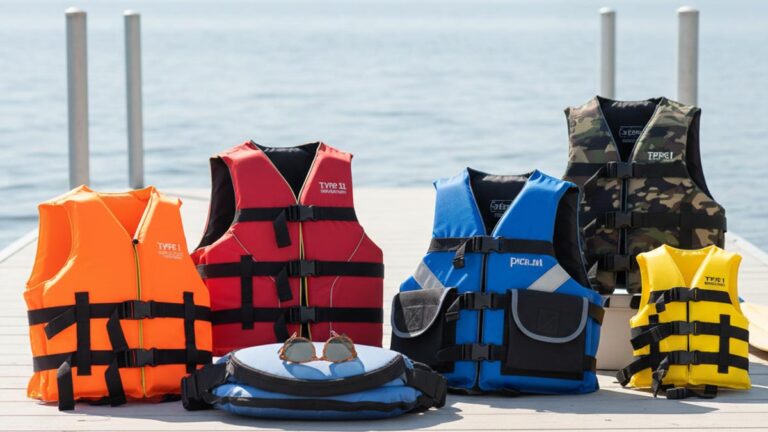
Different life jackets use different materials. Mold grows on the outer fabric, straps, and foam covers. Closed-cell foam resists water but the fabric shell can hold spores. Inflatable PFDs have different risks in the bladder and valve area.
When you think Can Life Jackets Get Moldy? keep these parts in mind:
- Fabric shells such as nylon or polyester can develop surface mold.
- Webbing and straps trap moisture in folds and stitching.
- Foam that is torn or compressed can trap water and smell.
- Inflatable bladders may retain moisture near seams or valves.

Signs Mold is Growing on Your Life Jacket
Spotting mold early keeps a life jacket usable. Look for:
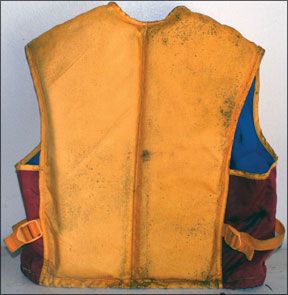
- Black, green, or white fuzzy spots on fabric.
- Musty or sour odor when you unzip a bag or open a locker.
- Discolored areas around seams and straps.
- Soft or crumbly foam under the fabric.
Ask the question Can Life Jackets Get Moldy? if you smell mildew after a trip. Don’t ignore a scent. It usually means spores are present.

How to Clean Mold from a Life Jacket
Cleaning depends on the type of life jacket. Always check the maker’s label first. If the label allows, follow these safe steps:
- Rinse with fresh water to remove loose dirt and salt.
- Mix a mild cleaner: one part white vinegar to three parts water works well for most fabrics. For stubborn mold, use full-strength vinegar on a cloth.
- Gently scrub with a soft brush or cloth. Focus on spots but avoid rough scrubbing that can damage fabric.
- Rinse well and squeeze excess water gently.
- Air dry fully in shade with good airflow. Do not store until fully dry.
Notes and cautions:
- Avoid bleach on closed-cell foam and on brightly colored jackets. Bleach can weaken fibers and fade colors.
- Do not machine-dry foam PFDs. Heat can warp foam.
- For inflatable life jackets, follow the manufacturer. Some need professional servicing after contamination.
If you wonder Can Life Jackets Get Moldy? remember that cleaning may remove surface mold, but deep damage or soaked foam may mean replacement.
Preventing Mold: Storage and Care Tips
Good care is the best defense against mold. Simple rules cut the risk a lot:
- Rinse and dry: Rinse salt and grime after each use. Dry fully before storing.
- Airflow matters: Store in a cool, dry spot with ventilation.
- Avoid sealed plastic: Do not store wet jackets in airtight bags. They trap moisture.
- Rotate gear: Move PFDs out of direct sun regularly to prevent mildew buildup.
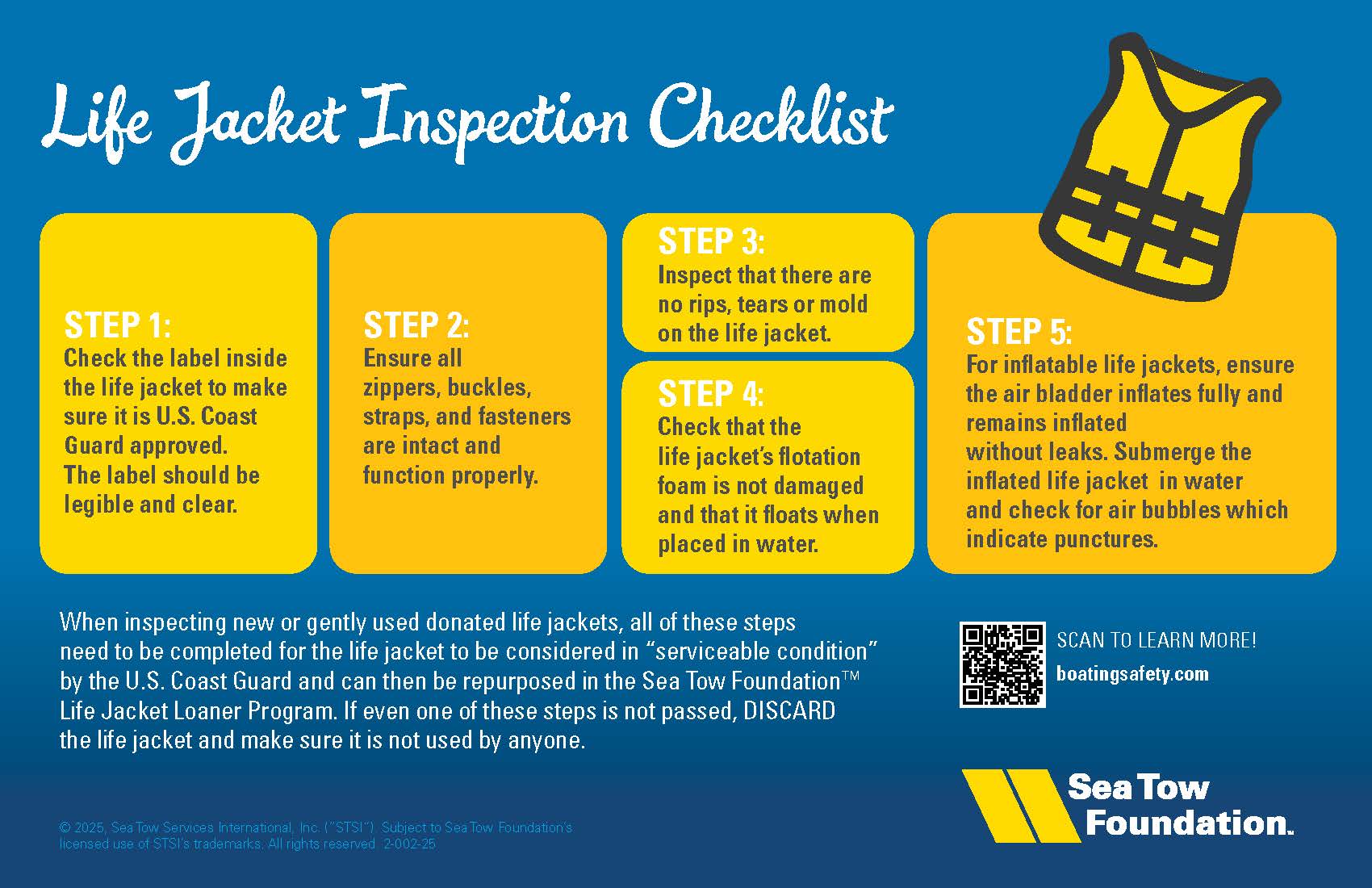
- Inspect often: Check straps and seams for early signs of mold or wear.
By asking Can Life Jackets Get Moldy? you can build a routine. A five-minute care check after every trip saves time and money later.

When to Repair or Replace a Moldy Life Jacket
Not all mold needs replacement, but some conditions do:
- Replace if foam is soft, crumbly, or separated from the shell.
- Replace if mold has penetrated layers and the jacket smells even after cleaning.
- Repair minor fabric damage or straps if a professional can secure them.
- For inflatables, get a certified service check if the bladder or valve is contaminated.
A key decision point is safety. If you doubt the life jacket’s integrity after cleaning, replace it. Asking Can Life Jackets Get Moldy? is useful, but safety must come first.
Personal Experience and Lessons Learned
I once left two jackets in a locker after a weeklong trip. One aired out daily. The other stayed folded and damp. The folded one developed heavy mold in three days. I used vinegar and a soft brush to clean the surface. The jacket with better airflow never grew mold.
Takeaways from my experience:
- Drying beats disinfecting. Dry fully every time.
- Small daily checks prevent big problems.
- When a jacket smells strong after cleaning, replace it.
I’ve learned to keep a simple kit in the boat: fresh water, white vinegar, a soft brush, and extra hangers. It makes care quick and routine.
Frequently Asked Questions of Can Life Jackets Get Moldy?
How quickly can mold grow on a life jacket?
Mold can start to grow within 24 to 48 hours if the jacket is warm and damp. Speed depends on heat, humidity, and how dirty the jacket is.
Can I use bleach to remove mold from a life jacket?
Bleach can remove surface mold but can also damage fabric and foam. Use bleach only if the manufacturer allows it and rinse thoroughly.
Is mold on a life jacket dangerous to health?
Mold spores can irritate skin, eyes, and lungs, especially in people with allergies. Clean or replace a moldy jacket to reduce risk.
Can I machine wash my life jacket to kill mold?
Many foam life jackets should not be machine washed. Machine washing can compress or damage foam. Always follow the label instructions.
Will sunlight kill mold on a life jacket?
Sunlight can help dry and reduce some mold but may not kill all spores. Use drying plus cleaning for best results.
How do I store life jackets to avoid mold?
Store jackets dry, in a ventilated area, and not in airtight bags. Hang them or lay them flat to keep air moving.
Conclusion
Mold on life jackets is common but avoidable. Drying, cleaning, and smart storage stop most mold before it starts. Clean surface mildew with mild cleaners like vinegar and air dry fully. Replace any PFD with damaged foam, strong odors, or structural issues. Take action after each trip and keep a small care kit handy to protect your safety gear. Try these tips on your next outing, and share any questions or experiences in the comments to help others stay safe and mold-free.