Are Life Jackets Required For Canoeing: Safety Tips
Yes — in many cases life jackets are required for canoeing; laws and safety best practices vary.
I’ve guided paddlers and taught water safety for years, so I know how vital a clear answer is. This article explains whether are life jackets required for canoeing, breaks down laws, offers practical tips, and shows how to choose the right personal flotation device (PFD). Read on to get clear rules, smart advice, and real-life lessons that make your next paddle safer and more fun.
Why life jackets matter for canoeing
Life jackets cut drowning risk. They help you float if you capsize, get tired, or hit cold water. Canoes can flip fast. Even good swimmers can be stunned or cold-shocked.
Wearing or carrying a PFD is a low-effort, high-impact safety habit. Think of a life jacket as basic safety gear, like a seatbelt for a car. It keeps you alive and gives rescuers time to help.
Legal requirements: what laws typically say
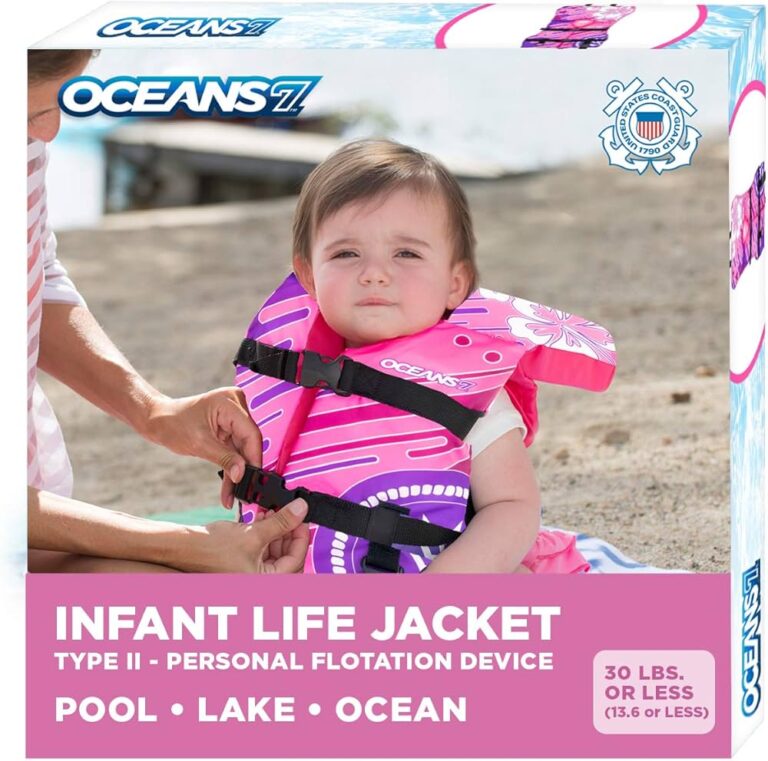
Laws vary by location. Many places require every canoe to carry at least one U.S. Coast Guard–approved PFD per person. Some states demand children wear life jackets at all times. Other rules require PFDs for certain waters, like coastal or whitewater areas.
Ask local agencies before you go. Park rangers, marina offices, or state boating agencies can give exact rules. Remember that "required" can mean carry-on or wear-on, depending on local law. Are life jackets required for canoeing? Often yes for children and in specific conditions.
Types of life jackets for canoeing
There are several PFD types. Choose one that fits your canoe use.
- Type I PFD
- High buoyancy. Good for offshore. Bulky for paddling.
- Type II PFD
- Near-shore buoyancy. Better for calm waters.
- Type III PFD
- Comfortable. Great for canoeing and paddling sport.
- Type V PFD
- Special-use, like inflatable vests and whitewater models.
Inflatable PFDs can be slim and comfortable. They must be worn properly and serviced. For many canoeists, a Type III or an approved inflatable designed for paddling is best. Are life jackets required for canoeing? Picking the right type matters as much as complying with laws.
When to wear a life jacket versus just carry one
Wearing a PFD is best practice when risk is higher. Put one on if:
- Water is cold.
- Weather or wind is strong.
- You paddle alone.
- You are on whitewater or open water.
- You have children or inexperienced paddlers.
Carry-but-don’t-wear rules apply sometimes on calm, familiar lakes close to shore. Still, many experts—myself included—recommend wearing the PFD anytime you’re on the water. If you wonder "are life jackets required for canoeing" at your spot, choose to wear one when in doubt.
Common PAA-style questions (quick answers)
What should I wear under a PFD?
- Wear quick-dry layers. Avoid heavy cotton that soaks and chills you.
Can an inflatable PFD be used for whitewater?
- Only if it is rated for whitewater. Many inflatables are not suitable.
How often should I inspect a PFD?
- Check it before each trip and inspect seams and inflator annually.
How to choose the right PFD for canoeing
Fit is the top factor. A good PFD should sit high on your chest and not ride up when you lift your arms. Try it on with water-friendly clothing and your paddling gear.
Consider buoyancy rating and mobility. Look for large arm openings and a slim profile that lets you paddle. Test pockets and straps for convenience. If you’re buying for kids, choose models designed for their size, with grab handles if possible. Are life jackets required for canoeing? Choosing the right one makes wearing it easy.
Practical tips and a pre-paddle checklist
Use this checklist before you launch.
- Check for required PFDs and ensure each person has one.
- Test fit on each paddler.
- Inspect PFDs for rips, frayed straps, or failed inflators.
- Pack a whistle attached to each PFD for signaling.
- Store PFDs out of direct sun to avoid UV damage.
I always run this checklist before trips. It takes minutes and prevents problems that could ruin a day.
Personal experience: lessons from years on the water
I once guided a group on a calm river. One paddler decided to tie their PFD to the seat. We capsized near a log. The tied PFD floated away, and panic followed. Lesson learned: wear your PFD or secure it so it stays with you.
Another time, an inflatable PFD saved a paddler who slipped into cold water. The vest inflated and kept their head up. From those trips I learned to favor comfortable, well-fitted PFDs and to insist children wear them at all times. Are life jackets required for canoeing? In my experience, wearing one prevents many avoidable emergencies.
Common myths and misconceptions
Myth: "I can swim, so I don't need a life jacket."
- Reality: Swimming in calm pools differs from real water. Currents, cold, and injury can end a swim quickly.
Myth: "PFDs are too hot and uncomfortable."
- Reality: Modern PFDs are lightweight and breathable. Trying a few models solves comfort issues.
Myth: "Carrying a PFD is enough."
- Reality: If you fall out, a distant PFD won’t help. Wearing it is safer. Are life jackets required for canoeing? Myths can cost lives.
Safety training and rescue basics
Learn basic rescue skills. Practicing self-rescue and assisted-rescue builds confidence. Simple drills include:
- Re-entering a canoe from shore and deep water.
- Helping a partner into a flipped canoe.
- Using a paddle float or throw bag.
Take a short course from a certified instructor. Drills make wearing a PFD more useful because you know what to do if things go wrong.
Environmental and situational considerations
Cold water reduces survival time. Strong currents increase danger. Night paddling needs lights and usually a worn PFD. In remote areas, a worn PFD and signaling gear like a whistle and light are essential.
Assess the environment before choosing whether to wear or simply carry a PFD. When I scout rivers, water temperature and exit points guide my decision to wear the PFD. Are life jackets required for canoeing? The environment often dictates the safest choice.
Costs, maintenance, and replacement
PFDs range from affordable to premium. Buy the best-fitting PFD you can afford. Maintain it by rinsing fresh water, drying in shade, and inspecting straps and inflators.
Replace a PFD if it has tears, broken straps, or failed inflators. Most PFDs last many years with care. Treat them like safety tools, not fashion items.
Frequently Asked Questions of Are Life Jackets Required for Canoeing?
Are life jackets required for canoeing by law?
Laws differ by state and country. Many places require one U.S. Coast Guard–approved PFD per person on board, and some require children to wear them at all times.
Do I need to wear a life jacket on a calm lake?
Not always by law, but wearing one is safer. Calm lakes can still have hidden hazards and sudden weather shifts.
Can I use an inflatable PFD for canoeing?
Yes, if it is approved and suitable for paddling or whitewater as needed. Check the PFD’s label for the correct use and rating.
What PFD type is best for canoeing?
Type III PFDs are common for canoeing because they balance buoyancy and mobility. Inflatable PFDs designed for paddling are also good.
How should a PFD fit me for canoeing?
A PFD should fit snugly, sit high on your chest, and not rise when you lift your arms. Try it on while seated to ensure comfort while paddling.
Is wearing a PFD necessary when paddling with kids?
Yes. Many areas legally require children to wear PFDs, and it is the safest choice for families.
Are there penalties for not having required PFDs?
Yes, you can receive fines and citations where laws require PFDs onboard or worn. Enforcement varies by agency.
(End of FAQ)
Final thoughts
Wearing a PFD is a small step that makes paddling safer. Laws often require PFDs onboard and sometimes require wearing them, especially for kids and risky waters. My advice: choose a PFD that fits, wear it when conditions are uncertain, and practice basic rescue skills.
Make safety your habit. Check local rules, buy a good PFD, and wear it. Share your experiences or questions below, subscribe for more paddling tips, or plan a safety course before your next trip.