Are Inflatable Life Jackets Safe For Kids?: Parent Guide
Most inflatable life jackets can be safe for older children when fitted, approved, and used correctly.
As a parent and longtime boater, I’ve tested inflatable life jackets with kids on lakes and coastal trips. This guide explains whether inflatable life jackets are safe for kids, how they work, what to look for, and practical tips drawn from experience and industry practice to help you make smart choices on the water.
How inflatable life jackets work
Inflatable life jackets use air to provide buoyancy. They stay compact until a canister inflates a bladder. Inflation can be automatic on water contact or manual with a pull cord.
Most inflatable life jackets use CO2 cartridges. The cartridge fills the bladder in seconds. This creates the buoyant force that keeps a child afloat and often turns the wearer face-up.
Key parts to know:
- Inflation bladder. The part that traps air and creates buoyancy.
- CO2 cartridge. The small metal cylinder that releases gas.
- Manual pull tab. Used to inflate by hand.
- Automatic mechanism. Activates when it gets wet or submerged.
Safety analysis: Are inflatable life jackets safe for kids?
Short answer: inflatable life jackets can be safe for many kids, but safety depends on the child’s age, swimming ability, proper fit, and the jacket’s approval and design.
When they are safe:
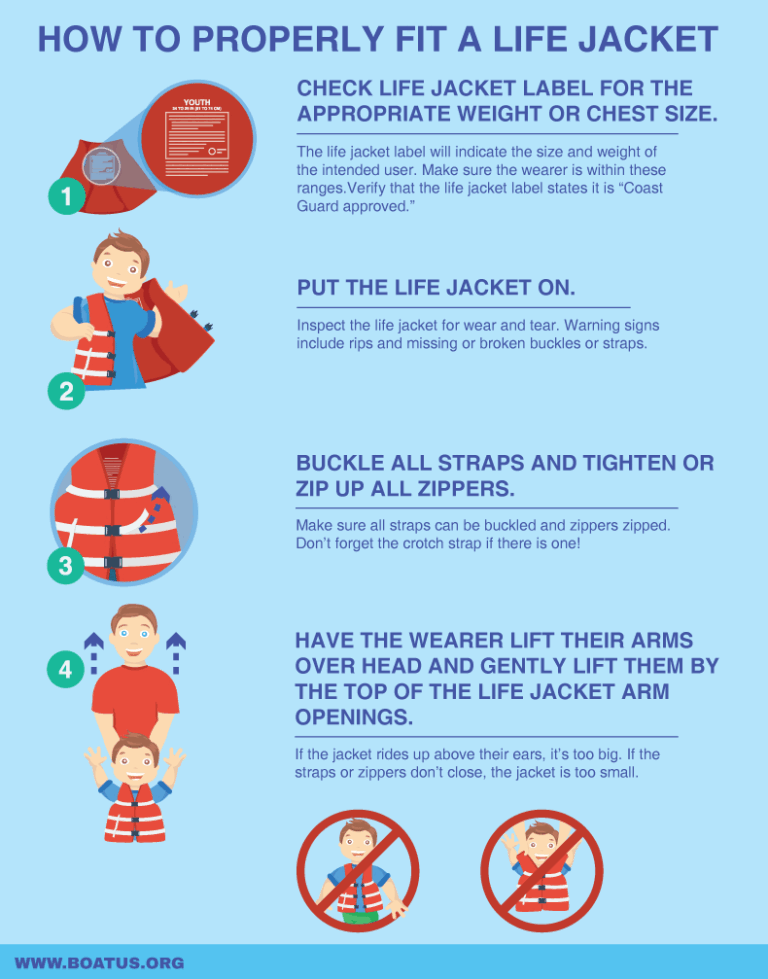
- The jacket is certified for child use and shows the correct size and weight rating.
- The child is at least the minimum age recommended by the manufacturer.
- The jacket fits snugly and the straps are fastened.
- The child is supervised and knows basic water safety.
When they are risky:
- The child is a non-swimmer or very young infant.
- The inflatable is not certified for children or has been damaged.
- CO2 cartridges are missing, used, or not checked before use.
From my experience on family trips, inflatable life jackets were comfortable and less bulky for older kids. They made children more willing to wear a PFD. But I always kept a foam PFD on board as a reliable backup. That extra layer of safety matters.
Types, standards, and labels to look for
Not all inflatable life jackets are the same. Look for these types and marks to be sure a model is appropriate for kids.
Types:
- Manual inflatables. The wearer pulls a cord to inflate.
- Automatic inflatables. Inflate on water contact or submersion.
- Hybrid PFDs. Combine foam panels with small inflatable bladders.
Standards and labels to check:
- Approval or certification for child use. The label should state child size and weight limits.
- National approval marks. Look for the agency mark used in your country that indicates testing and approval.
- Buoyancy rating. Shows how many pounds/kilonewtons of buoyancy the device provides.
Read the label before every purchase. If a jacket is not rated for children, do not use it for kids. Manufacturers sometimes make both adult and child inflatable models. Choose the one matched to the child’s weight, not their age alone.
Pros and cons of inflatable life jackets for kids
Pros:
- Comfortable and less bulky, so kids are more likely to wear them.
- Easy to move in, which helps active kids enjoy boating.
- Compact storage on boats and in bags.
- Quick inflation gives good buoyancy and can turn a child face-up.
Cons:
- Require regular maintenance and cartridge checks.
- Possibility of failure if the inflation mechanism is damaged.
- Many models are not suitable for infants or non-swimmers.
- Can be more expensive than foam PFDs.
Balancing these pros and cons helped me choose an inflatable for older children and a foam PFD for toddlers. The mix kept everyone safer and happier.
Practical safety tips for parents and caregivers
Make safety simple and repeatable with these steps:
- Check the label. Confirm the inflatable life jacket is approved for the child’s weight and age.
- Fit before you go. The jacket should feel snug and not ride up over the chin when lifted at the shoulders.
- Test the mechanism. Inspect CO2 cartridges and arming indicators before each trip.
- Practice inflating. Teach older kids how to manually inflate and deflate under calm conditions.
- Keep backups. Have at least one foam PFD sized for each child as a reliable fallback.
- Replace after inflation. Most inflatables need inspection and cartridge replacement after a deployment.
- Store properly. Rinse with fresh water after use and dry completely before stowing.
A mistake I made early on was assuming a good fit from a quick trial. Now I have each child wear the PFD for several minutes while walking and bending to confirm comfort and fit. That small test prevents most fit problems on the water.
PAA-style questions
Can an inflatable life jacket turn a child face-up?
Yes. Properly designed inflatable life jackets often create a turning moment that can help roll a wearer face-up. However, face-up capability depends on correct fit and the model’s design.
Are inflatable life jackets allowed in boating schools and camps?
Many boating programs accept inflatable life jackets if they are approved for children and properly fitted. Always check program rules and carry a foam backup if required.
How often should I inspect an inflatable life jacket?
Inspect before each use and perform a full check each season. Check the cartridge, bladder, stitching, and arming indicators regularly.
Frequently Asked Questions of Are Inflatable Life Jackets Safe for Kids?
What age are inflatable life jackets safe for?
Many inflatable life jackets are designed for older children and teens. Always follow the manufacturer’s age and weight guidance and avoid inflatables for infants unless specifically rated.
Can non-swimmers use inflatable life jackets?
Non-swimmers can use inflatable life jackets only if the device is approved for their weight and provides reliable face-up buoyancy. For non-swimmers, a foam PFD is often safer and more dependable.
Do inflatable life jackets fail often?
Failures are uncommon when the device is maintained and inspected. Most problems come from neglected cartridges, damage, or incorrect fit rather than inherent design flaws.
How do I choose between manual and automatic inflatables for kids?
Manual inflatables give the wearer or caregiver control and are often recommended for kids who can follow instructions. Automatic models add security but must be checked to ensure the auto-trigger is active and functional.
Can my child wear an inflatable life jacket while swimming or snorkeling?
Inflatable life jackets are not designed as swim aids. They are best for boating and watercraft activities. For swimming practice, use swim-specific floatation aids under supervision.
Is maintenance expensive for inflatable life jackets?
Maintenance costs are modest. You may need to replace cartridges, inspect seals, and occasionally service automatic triggers. Proper care extends the device’s life and reliability.
Conclusion
Inflatable life jackets can be a safe, comfortable option for many children when chosen carefully and used correctly. Focus on proper fit, certification for child use, regular inspections, and having a foam PFD as a backup. My practical advice: try the jacket on land, check the label, and practice inflating in calm conditions before trusting it on open water. If you want safer outings, invest in the right PFD and make checks routine every time you head out.
Share your experiences, ask questions below, or subscribe for more safety guides and hands-on tips for boating with kids.