How Much Weight Can A Life Jacket Hold: What To Know
Most life jackets provide about 15.5–22 pounds of buoyancy; capacity varies by type and wearer.
I’ve spent years on boats, kayaks, and teaching water safety, so I know precisely how life jackets perform in real-world conditions. This article explains How Much Weight Can a Life Jacket Hold?, what those buoyancy numbers mean, how to choose the right PFD, and practical tips to keep you safe on any water. Read on to make confident, informed decisions about life jackets and buoyancy for you and your family.
How life jackets work and what "hold" means
A life jacket works by providing upward force that counters gravity. The jacket displaces water so the wearer floats. Buoyancy rating is the measure of that upward force, usually given in pounds.
Floatation comes from either foam or inflatable chambers. Foam offers constant buoyancy. Inflatable jackets add buoyancy only when filled with gas. Knowing how a PFD generates buoyancy helps answer How Much Weight Can a Life Jacket Hold? and shows why fit and fitment matter.
Buoyancy ratings, life jacket types, and typical capacities
Manufacturers state buoyancy in pounds. Typical adult foam life jackets range from about 15.5 to 22 pounds of buoyancy. Offshore or high-buoyancy models often provide the higher end, while recreational PFDs sit lower on the scale.
Inflatable life jackets often match or exceed foam buoyancy once deployed. For children, PFDs are sized and rated for specific weight ranges rather than a single buoyancy number. For questions about How Much Weight Can a Life Jacket Hold?, remember the rating does not have to match a person’s full body weight because the human body has some natural buoyancy.
Factors that affect how much weight a life jacket can hold
Body composition changes how a life jacket performs. Fat and air in the lungs increase natural buoyancy. Muscle and heavy clothing reduce it and require a higher-rated PFD.
Water type matters. Salt water is more buoyant than fresh water, so you may float higher in the ocean. Movement, wind, waves, and an unconscious posture also change how well a life jacket keeps a head above water. Inspecting and maintaining the jacket ensures it performs to its rating when needed.
Choosing the right life jacket for your activity
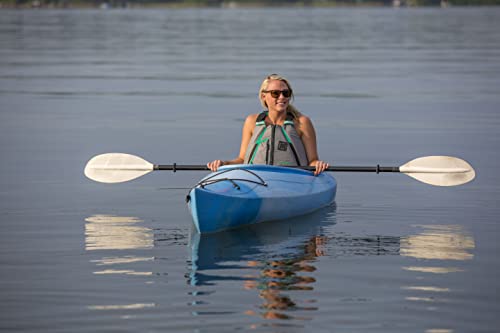
Match the jacket to the activity. Use higher-buoyancy or offshore models for boating and rough water. Use low-profile or Type III PFDs for paddling, but consider an automatic inflatable for offshore kayaking.
Fit is critical. A proper fit keeps the jacket in place and delivers rated buoyancy to the right places. Check for visible approval labels and recommended weight ranges on children’s PFDs. In short, pick the right type, size, and buoyancy rating to match How Much Weight Can a Life Jacket Hold? for your situation.
Real-world examples, simple calculations, and practical tips
A 15.5-pound buoyancy jacket provides 15.5 pounds of upward force in water. It doesn’t mean it lifts a 150-pound person clear out of the water. Instead, it works with the person’s natural buoyancy to keep the airway clear.
Example scenario
– A recreational adult PFD with 15.5 pounds of buoyancy helps most adults float comfortably in calm freshwater.
- An offshore PFD with 22 pounds of buoyancy gives more margin for heavier clothing, cold water shock, or unconsciousness.
Practical tips from my experience
- If you boat in cold or rough water, choose higher buoyancy.
- Test your PFD in calm, supervised water to ensure fit and comfort.
- Replace inflatables after deployment and inspect foam for compression or damage.
These examples show that How Much Weight Can a Life Jacket Hold? depends on buoyancy, the wearer, and conditions, not just a single weight figure.
Common quick questions
How much weight can a life jacket hold in pounds?
Most life jackets indicate buoyancy in pounds. Typical adult values range from about 15.5 to 22 pounds, while inflatables can offer similar or greater buoyancy once inflated.
Can a life jacket support someone heavier than the jacket’s buoyancy number?
Yes. A life jacket works with your body’s natural buoyancy, so the device rarely needs to equal your full body weight to keep your airway above water.
Does salt water change how much weight a life jacket can hold?
Yes. Salt water is denser and adds extra buoyancy, so you will float higher in the ocean compared with fresh water. Always account for local conditions when selecting a PFD.
Personal experience and lessons learned
I once tested two jackets on a chilly morning: a low-buoyancy vest and a 22-pound offshore model. The vest kept me comfortable while paddling. The offshore jacket provided a noticeable safety margin when I relaxed and lay back in the water. That day taught me to match the jacket to the risk and to never assume one PFD fits all needs.
Lessons to avoid mistakes
- Don’t buy by size only; check buoyancy rating and intended use.
- Don’t rely on an old or damaged PFD—foam compresses and inflatables can fail.
- Don’t undervalue a snug fit—loose jackets slip off or ride up.
Safety standards, maintenance, and when to replace a life jacket
Look for approved PFD labels that match recognized safety standards for your region. Test and inspect jackets yearly. Replace jackets showing significant foam compression, torn fabric, broken straps, or floatation loss.
Maintain inflatables by checking the CO2 cylinder, oral inflation tube, and fabric. For foam jackets, watch for crushed foam or seams coming apart. Regular checks ensure the claimed How Much Weight Can a Life Jacket Hold? still holds true in an emergency.
PAA-style quick answers
Will a life jacket keep me afloat if I’m unconscious?
Many high-buoyancy jackets are designed to turn an unconscious person face-up. Always choose a jacket meant for offshore or high-risk conditions if this is a concern.
How does clothing affect life jacket performance?
Heavy clothing and boots reduce the effective buoyancy your PFD needs to overcome. Choose a higher-rated PFD in cold or wet conditions.
Can an inflatable life jacket hold more weight than foam?
Inflatables can match or exceed foam buoyancy once deployed, offering high buoyancy in a compact form. Regular maintenance is essential to ensure they deploy when needed.
Frequently Asked Questions of How Much Weight Can a Life Jacket Hold?
What does the buoyancy number on a life jacket mean?
The buoyancy number shows the upward force the jacket provides in pounds. It indicates how much the device can help lift you in the water, not the total body weight it will “hold” alone.
Are all life jackets labeled with how much weight they can support?
Not usually in terms of body weight. Most jackets show buoyancy in pounds and recommended weight ranges for children. Follow the manufacturer’s sizing chart for best results.
Can a life jacket work for any body type?
Yes, if you choose a PFD with enough buoyancy and a proper fit. Different body types and clothing require different buoyancy margins, so pick accordingly.
How often should I replace my life jacket?
Inspect PFDs annually and replace them if foam is compressed, seams are damaged, straps fray, or inflatables have been deployed or fail inspections. Proper care extends life but do not take risks with old gear.
Is a higher buoyancy always better?
Higher buoyancy gives more safety margin in rough water or cold conditions. However, very high-buoyancy jackets can be bulky and hinder activity. Match buoyancy to risk, comfort, and activity.
Conclusion
Understanding How Much Weight Can a Life Jacket Hold? comes down to buoyancy ratings, the wearer’s natural floatation, and the water environment. Choose the right type and fit for your activity, perform regular inspections, and favor higher buoyancy for rough or cold water. Take action today: check your PFDs, test them in calm water, and pick one that matches your needs—your safety depends on it. Leave a comment with your experiences or questions, or subscribe for more practical water-safety guides.