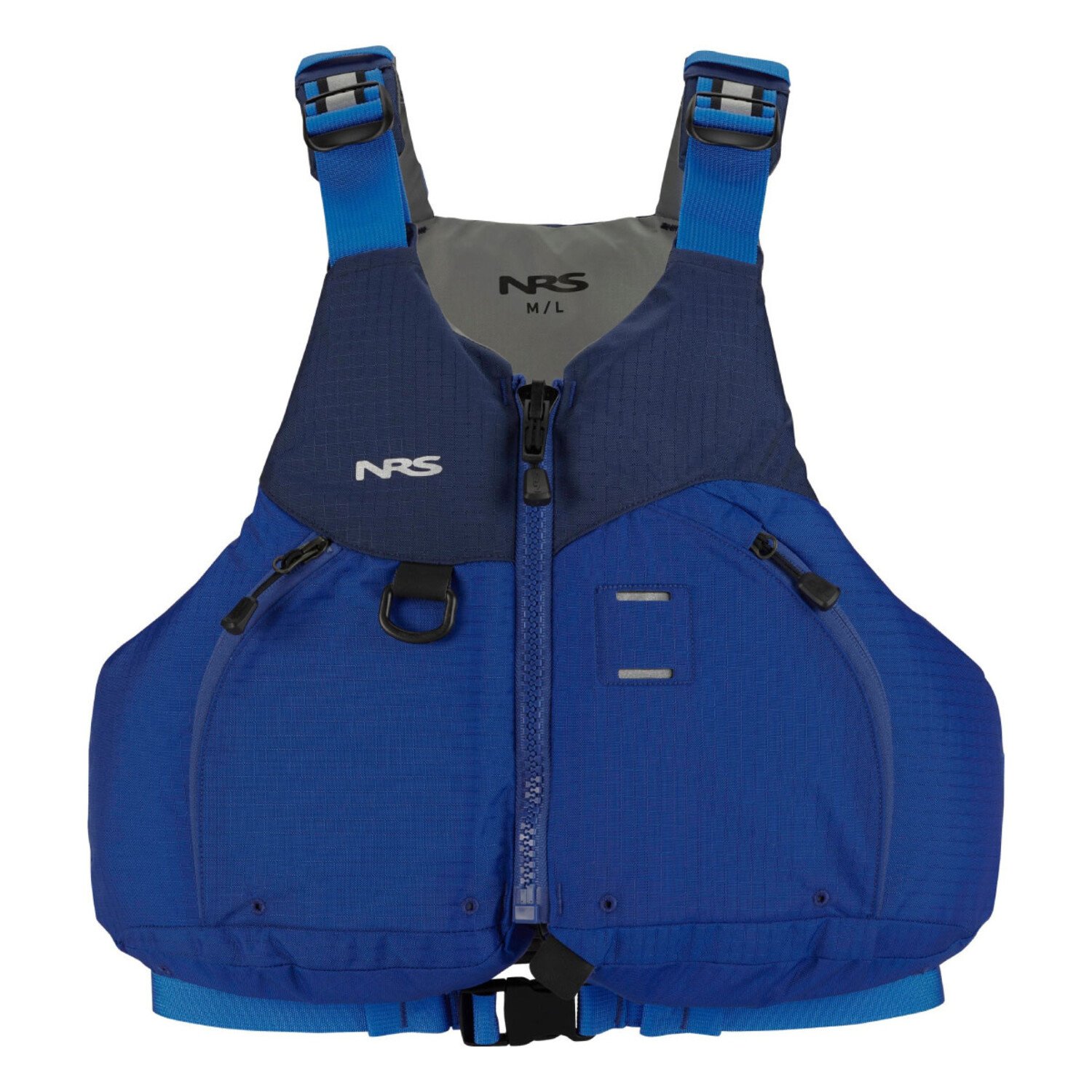

A life jacket feels bulky because it must hold buoyant material and room for movement, prioritizing safety over slimness.
I have tested many life jackets on boats, kayaks, and cold-water swims. I will explain why a life jacket feels bulky, what parts add bulk, and how to choose or modify one without losing safety. This guide blends hands-on tips, clear facts, and simple steps you can use today to make wearing a life jacket feel easier and safer.
Common causes: why your life jacket feels bulky
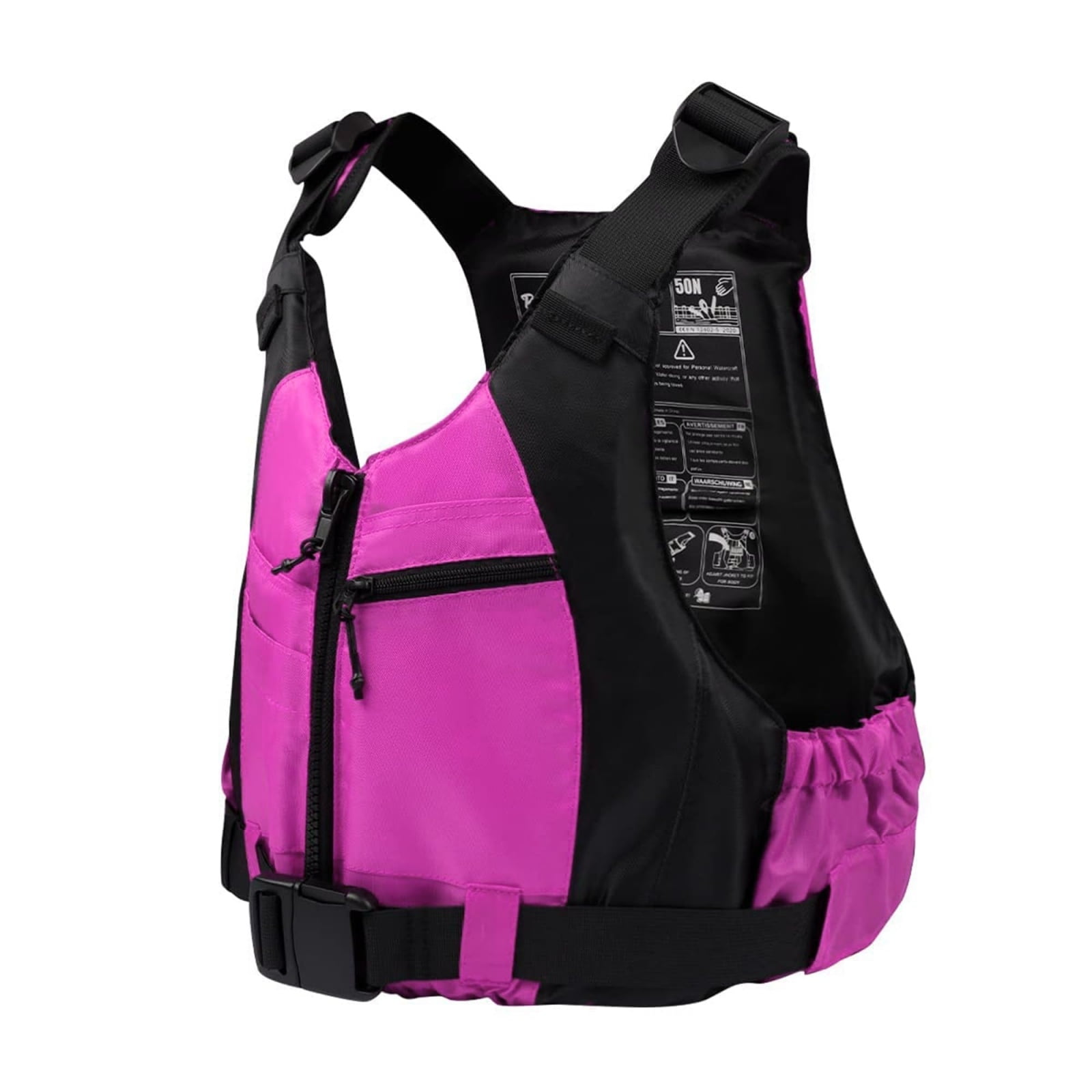
A life jacket's main job is to keep your head above water. That requires foam, air, or other buoyant layers. Those materials add thickness and weight close to your torso.
Bulk can come from padding in the chest, extra collar foam, or a built-in crotch strap. Off-the-shelf jackets often add room for many body shapes. That extra room feels bulky when you wear it.
Bulky also comes from a poor fit. If the jacket is too large, it shifts and bunches. That makes it ride high and feel like extra padding.

Types of life jackets and how each can feel bulky
Different PFD types feel different on your body. Foam vest styles often feel thick but are stable. Inflatable jackets are slim when dry but add bulk when inflated.
Type I and II jackets give more foam and feel wider. Type III jackets are for active use and try to balance slimness and buoyancy. Inflatable models use CO2 or manual pull toggles and sit close to the body until deployed.
Choosing the right type helps reduce perceived bulk. Match the jacket to your activity. A kayak jacket fits and moves with you. A coastal jacket may feel bulkier because it provides extra buoyancy and head support.

Fit, sizing, and how poor sizing increases bulk
A jacket that is too big will fold and move. A jacket that is too small will stretch and feel tight in odd places. Both can feel bulky in different ways.
Measure your chest and torso. Try jackets with the clothes you will wear on the water. Secure all straps and test mobility by raising your arms. If the jacket creeps up past your chin, it is too big and will feel bulky around the shoulders.

Materials and construction that add bulk
Closed-cell foam is common and reliable. Foam gives volume to the jacket and resists compression. That is why foam jackets often feel thicker than inflatables.
Neoprene panels add warmth and a snug fit but can add weight. Zippers, pockets, and heavy stitching add small amounts of bulk. Inflatable shells use thin fabric for a slim look, but when inflated, they can feel stiff compared to foam.

How to reduce bulk and improve comfort
You can reduce bulk without risking safety if you are careful. Start by choosing the right jacket type for your activity. Try on different brands and models to compare feel.
Adjust straps for a snug fit. Remove unused pockets or heavy clips if safe to do so. Consider an inflatable PFD for boating where inflation is acceptable and allowed. Test movement: row, paddle, and bend to ensure the jacket stays in place.
Personal tip from my experience:
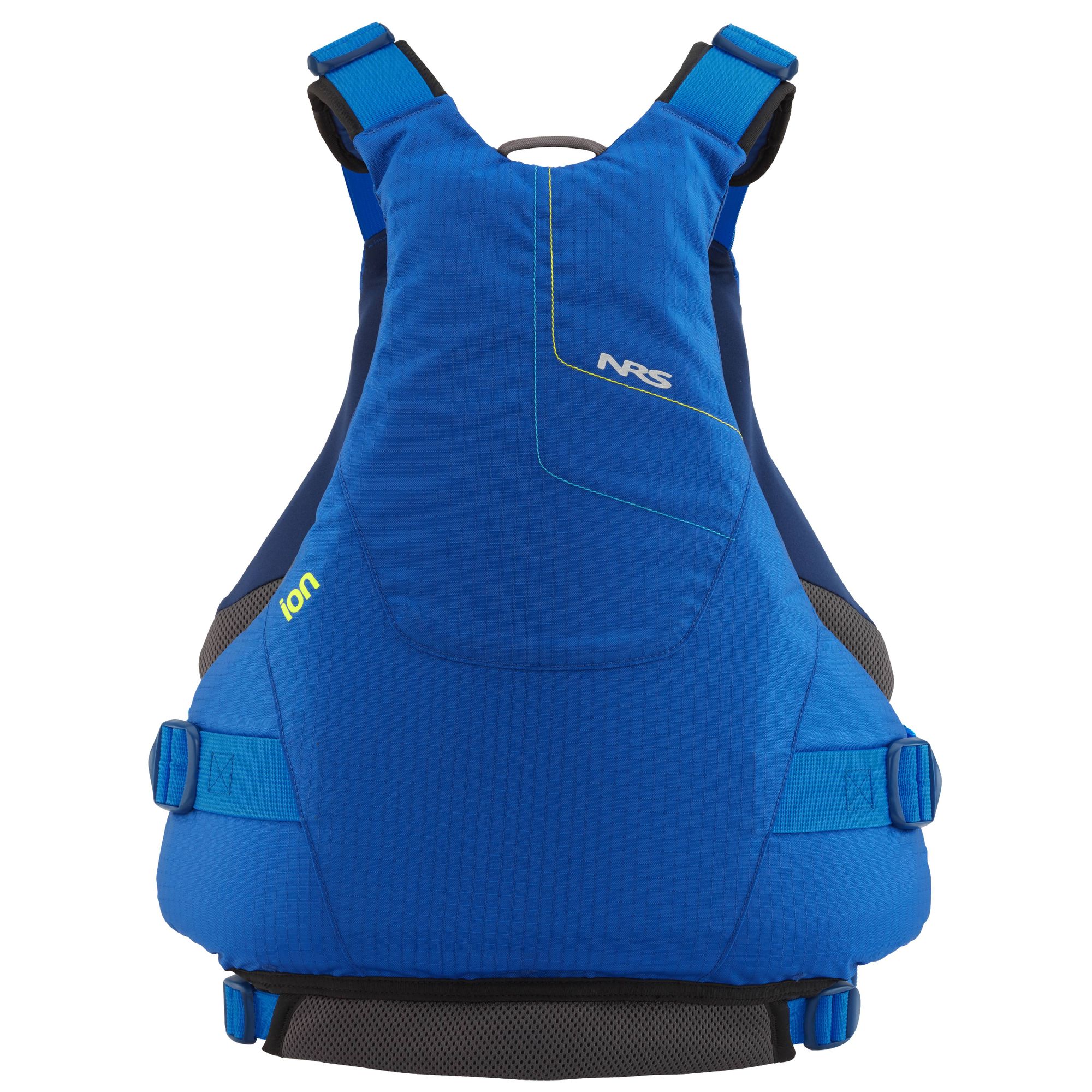
I switched to a sport-cut Type III for kayaking. I tightened the waist and removed a large radio pouch. The jacket felt far less bulky and still kept me stable in cold water.
Maintenance, inspections, and how neglect can increase bulk
Old foam can compress and deform. Worn foam sometimes clumps and creates lumps that feel bulky. Inflatable jackets can get stiff if the bladder has residue or salt build-up.
Rinse with fresh water after use in salt or chlorinated water. Inflate an inflatable PFD manually at home to check for leaks. Replace foam panels or the whole jacket if the foam is cracked or misshapen. Regular care keeps the jacket fitting as intended.
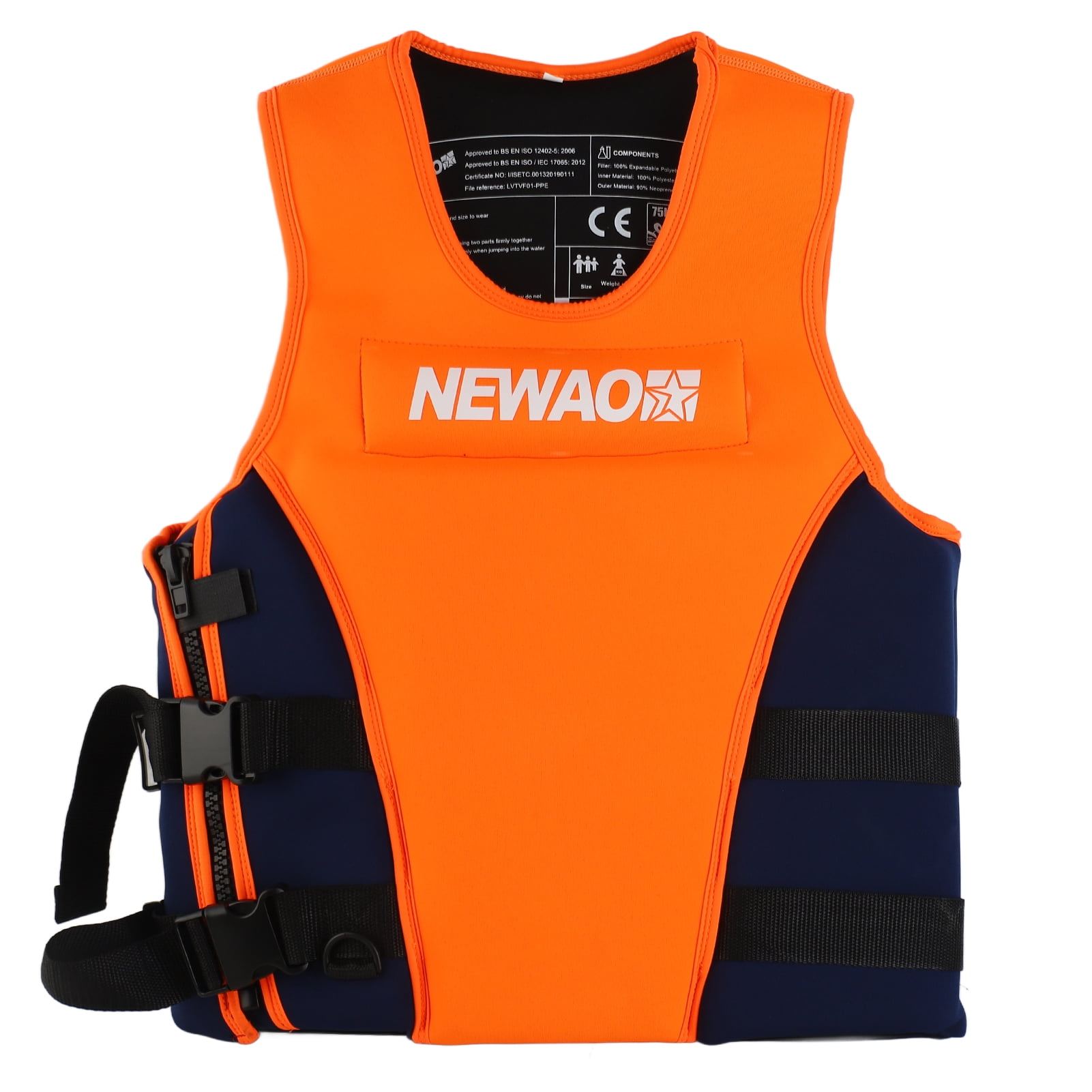
Buying guide: what to test in store and online
Try on jackets with the clothes you plan to wear on the water. Move your arms, bend at the waist, and lift your knees. Ask for a demo of the jacket's buoyancy and test how it rides in shallow water if possible.
Look for:
- Proper size label and chest measurement fit
- Adjustable straps that hold the jacket snug
- Reasonable weight for the jacket type and good mobility
- Coast Guard or local authority approval for the intended use
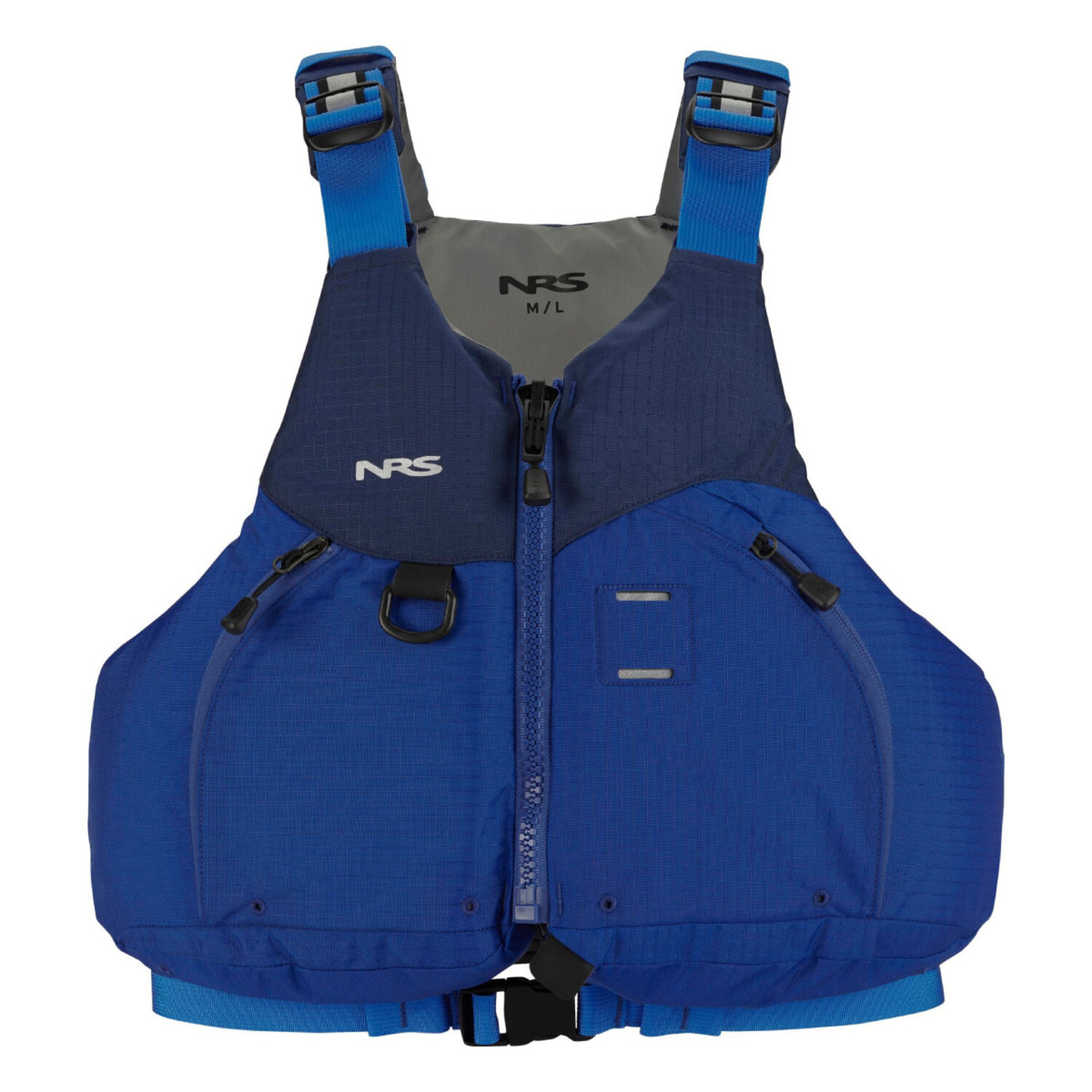
If you want less bulk, compare inflatable and sport-cut foam jackets. Make sure you understand battery, CO2 replacement, or inflation maintenance for inflatables.
Quick PAA-style questions
Why does my life jacket feel bulky while paddling?
A jacket that is not a sport fit will block shoulder movement. Choose a slim, sport-cut jacket with shorter armholes for paddling comfort.
Does a bulkier life jacket mean more safety?
Not always. Bulk often signals more foam or coverage, but fit and correct buoyancy rating are more important for safety.
Can I alter a life jacket to make it less bulky?
Minor adjustments like removing nonessential pockets are okay. Cutting foam or altering structure is unsafe and should be avoided.
Are inflatables better for a slim fit?
Inflatables are slim when not deployed. They can offer less feel of bulk while still meeting buoyancy needs. They require regular maintenance and inspections.
How do I know if bulk is from fit or the jacket type?
Try a different jacket type in the same size. If the new jacket fits closer and feels less bulky, the old jacket type was the cause.
Frequently Asked Questions of Why Does My Life Jacket Feel Bulky?
Why does my life jacket feel bulky even when it fits?
A jacket can fit but still use thick foam or wide panels for safety. The design may prioritize buoyancy or head support, which adds volume.
Is a bulky life jacket safer than a slim one?
Bulk often means more foam, but safety depends on the jacket's type, proper fit, and intended use. A slim inflatable can be safe if it has the needed buoyancy and reliable inflation.
How can I make my life jacket less bulky without compromising safety?
Choose the correct PFD type for your activity, tighten straps, and remove nonessential gear. Do not cut foam or alter flotation components.
Should I wear a thicker jacket in cold water?
Thicker jackets may provide slightly more insulation, but you should also wear proper clothing. Insulation from wetsuits or drysuits is important in cold water.
When should I replace a bulky-feeling life jacket?
Replace it if the foam is misshapen, seams are split, or inflatables fail leak tests. Age and visible wear reduce both fit and buoyancy over time.
Conclusion
A life jacket can feel bulky for many valid reasons: built-in buoyancy, type, extra pockets, and fit. Learn the cause and then match the jacket to your activity. Try jackets on, adjust straps, and choose materials that balance safety and comfort.
Takeaway: prioritize proper fit and the right PFD type. Test movement and care for your jacket to reduce unnecessary bulk. Share your experience, ask questions below, or try a new fit next time you shop for a life jacket.