
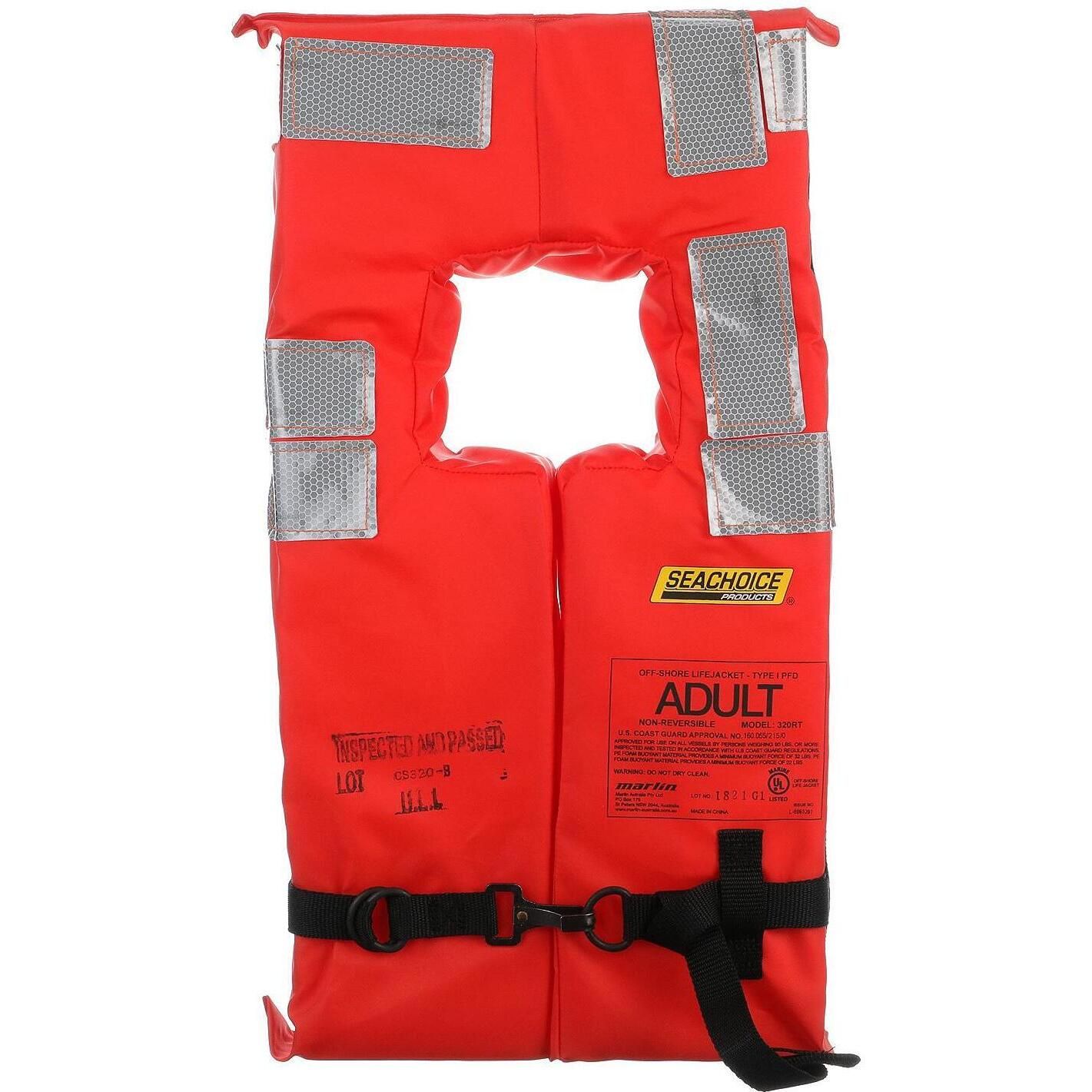

Regular rinse, mild soap, air-dry in shade; remove salt, grime, and odor after each use.
I have cleaned dozens of flotation devices as a boating instructor and marine technician. This guide shows exactly How to Clean a Saltwater Life Jacket? step by step. You will get practical tips, safe cleaners, drying advice, and signs that a device needs repair or replacement. Read on to keep your life jacket safe, fresh, and reliable.
Why proper cleaning matters for safety and longevity
Saltwater shortens fabric life and hides wear. How to Clean a Saltwater Life Jacket? matters because salt, sun, and grime can weaken foam, stitching, and closures. A dirty jacket may not inflate properly or could fail under stress. Regular cleaning keeps flotation reliable and extends service life.
- Salt crystals abrade fabric and hardware.
- Bacteria and mildew cause odors and breakdown.
- Clean jackets are easier to inspect for damage.
My experience: I once returned a worn jacket that looked fine until rinsing revealed foam delamination. That taught me to inspect after cleaning. Follow simple steps and inspect each time.
What you need before you start
Prepare a gentle cleaning kit to safely remove salt and dirt. How to Clean a Saltwater Life Jacket? starts with the right supplies.
- Large tub or sink for soaking
- Fresh water supply and spray nozzle
- Mild liquid soap or specialized marine cleaner
- Soft brush or sponge
- Towels and clothesline or hanger
- Non-chlorine bleach (only if needed for mildew)
- Sewing kit or repair tape for small fixes
Use mild cleaners only. Strong bleach and solvents can break foam and fabric. I keep a soft brush and a marine soap in my boat kit for quick post-trip care.
Step-by-step: How to Clean a Saltwater Life Jacket?
Follow these numbered steps for safe, effective cleaning. Each step is short and practical.
-
Inspect first
- Check straps, buckles, zippers, and fabric for tears.
- Note stains or mildew spots to treat later.
-
Rinse thoroughly
- Rinse with fresh water to remove salt and sand.
- Use a hose or dunk in a tub until runoff looks clear.
-
Soak gently
- Fill a tub with warm water and a small amount of mild soap.
- Submerge the life jacket and let it soak 10–20 minutes.
-
Light scrubbing
- Use a soft brush or sponge on dirty spots.
- Scrub straps, seams, and hardware gently to avoid damage.
-
Rinse again
- Rinse fully until soap and foam residue are gone.
- Shake excess water from pockets and seams.
-
Treat mildew or stains
- Mix one part non-chlorine bleach with three parts water for stubborn mildew.
- Test a hidden area first and rinse thoroughly after treatment.
-
Dry correctly
- Air-dry in shade on a flat surface or hanger.
- Avoid direct sun and heat sources that degrade foam.
-
Final inspection and storage
- Check for new damage after drying.
- Store in a cool, dry place out of direct sunlight.
Repeat this routine after every saltwater trip. Clean and inspect often to keep the jacket ready.

Drying, storage, and ongoing care
How to Clean a Saltwater Life Jacket? is half cleaning and half proper drying and storage. Drying wrong can ruin a jacket.
- Air-dry away from direct sun to avoid UV damage.
- Hang by straps or lay flat to keep shape.
- Store in a breathable bag or on a shelf, not compressed.
- Avoid damp lockers where mildew grows.
Check closures and foam periodically. I store jackets upside-down in my garage rack, which keeps straps untangled and foam from compressing.
Common problems, repairs, and when to replace
Some issues you can fix. Others mean it is time for a new jacket. Knowing the difference is part of learning How to Clean a Saltwater Life Jacket?.
- Minor seam or strap frays can be stitched or taped.
- Surface stains and mild mildew usually lift with gentle cleaners.
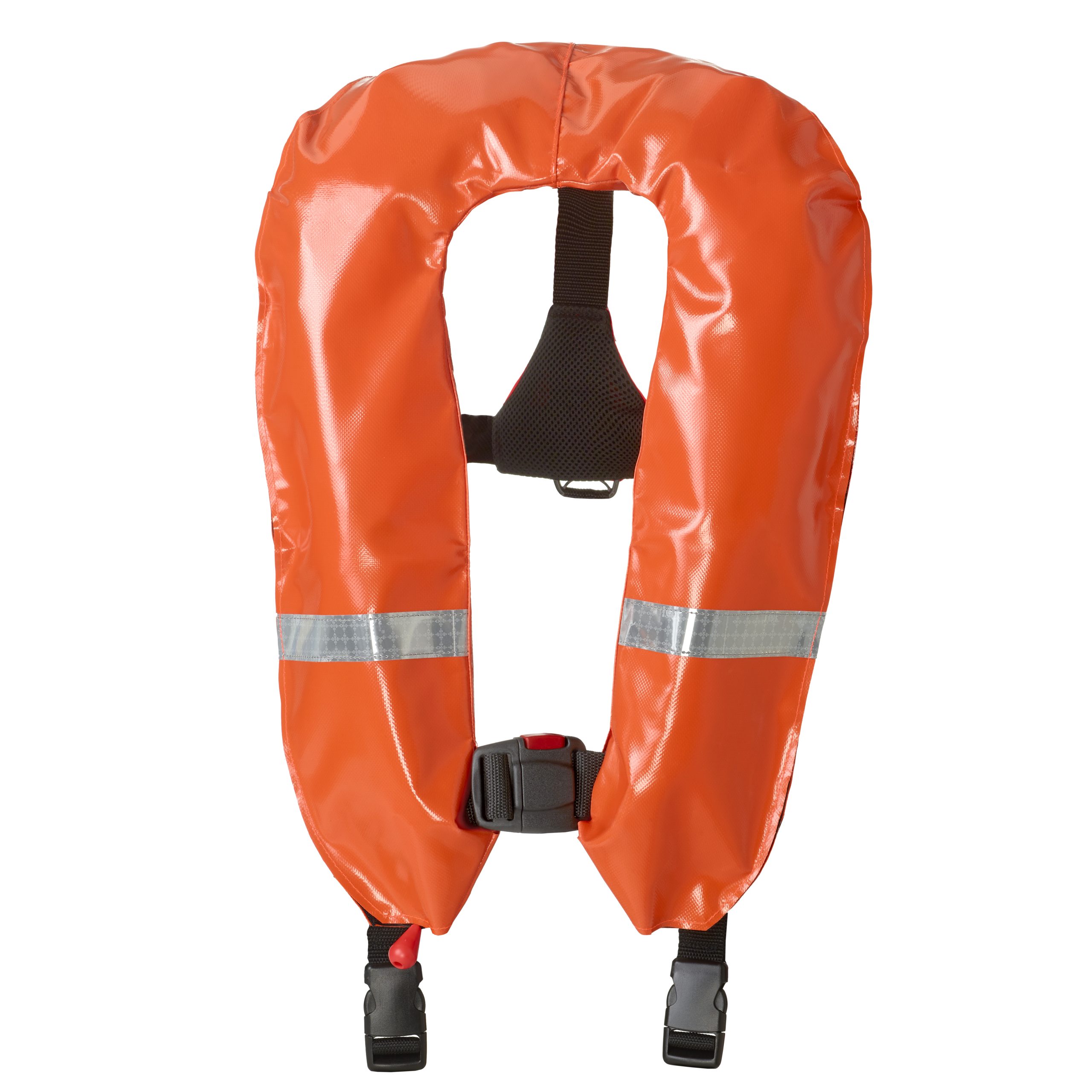
- Foam that crumbles, stiffens, or separates needs replacement.
- Broken buckles, missing inflators, or compressed foam are red flags.
If you find soft spots or foam that won’t return to shape, replace the jacket. Safety comes first. In my work, I retire any jacket with delaminated foam.
Best cleaners and what to avoid
Choose cleaners that remove salt and grime without harming materials. How to Clean a Saltwater Life Jacket? calls for gentleness.
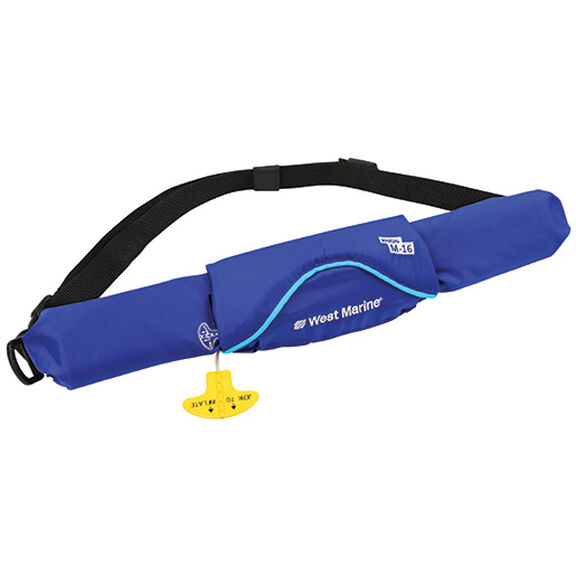
- Safe choices: Mild dish soap, marine-specific cleaners, or baby shampoo.
- Use non-chlorine bleach for mildew only, diluted and spot-tested.
- Avoid: Solvents, strong detergents, chlorine bleach, and abrasive powders.
Always rinse well. Residual cleaner can irritate skin and damage foam over time.

Tips, mistakes to avoid, and pro habits
Small habits make a big difference. These are lessons I learned on boats and training classes.
- Rinse immediately after every saltwater outing.
- Never machine wash unless manufacturer allows it.
- Avoid long sun exposure during drying.
- Label jackets and keep a maintenance log for rental fleets.
- Rotate jackets in storage to prevent long-term compression.
A common mistake: scrubbing too hard. Gentle care beats aggressive cleaning every time.
Frequently Asked Questions of How to Clean a Saltwater Life Jacket?
What is the quickest way to remove salt from a life jacket?
Rinse the jacket thoroughly with fresh water immediately after use. Soak in a tub for 10–20 minutes if salt build-up is heavy, then rinse again.
Can I machine wash a saltwater life jacket?
Most life jackets are not safe for machines. Follow the manufacturer’s label. Hand washing is the safest method.
How do I remove mildew from a life jacket?
Spot-treat mildew with a diluted non-chlorine bleach solution or a vinegar mix. Test a hidden area first and rinse completely after treatment.
Will sunlight damage a life jacket when drying?
Direct sunlight can degrade fabric and foam. Dry in the shade or indoors with good airflow to protect the jacket.
How often should I clean my saltwater life jacket?
Rinse after every use and do a full clean monthly or after heavily soiled trips. Frequent checks help catch issues early.
Conclusion
Regular care keeps your life jacket safe and ready. Follow these clear steps for How to Clean a Saltwater Life Jacket? and make brief inspections part of your routine. Start rinsing after your next outing, treat stains gently, and store jackets away from sun and damp. Share your experiences below, subscribe for more marine tips, or ask a question if you need help choosing cleaners or repairs.